Tabina: The Perfect Script Handwritten Font for Crafters
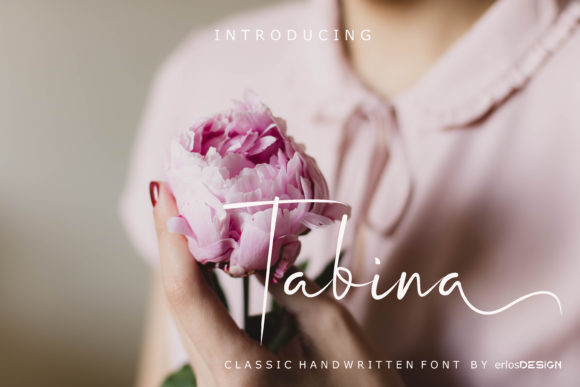
When you are building a brand around handmade goods, the Tabina typeface offers a distinct advantage as a premium Script Handwritten choice among modern Fonts. As a creator who spends hours designing labels, invitations, and digital downloads, I know that the right typography can elevate a simple product into a cherished keepsake. Tabina is not just a collection of letters; it is a tool that infuses warmth, romance, and timeless elegance into every project you touch.
Elevating Wedding Invitations with Tabina’s Romantic Flow
For stationery designers and wedding planners, Tabina serves as an exceptional resource when selecting Script Handwritten styles from the vast library of available Fonts. Wedding invitations require a delicate balance between legibility and artistic flair, and this font delivers both with grace. The sweet, romantic curves of Tabina mimic the natural flow of a calligraphy pen, making it ideal for couple names, date lines, and venue details. When I use Tabina for wedding suites, clients often comment on how the text feels personal and intimate, rather than mechanical. It transforms standard cardstock into a luxury item that guests hesitate to discard. Whether you are designing save-the-dates, RSVP cards, or menu inserts, the consistent stroke weight ensures that the design remains readable even at smaller sizes, which is crucial for intricate invitation layouts.
Creating Memorable Branding for Small Business Logos
In the competitive world of handmade sales, Tabina stands out as a versatile Script Handwritten option compared to rigid sans serif Fonts. Your logo is the face of your business, and using a font that conveys trust and creativity is essential. Tabina works beautifully for boutique logos, especially for businesses in the beauty, lifestyle, or artisan food sectors. I have used this typeface for candle brands and jewelry shops, where the handwritten aesthetic suggests care and craftsmanship. The ligatures and swashes included in the font package allow for unique customizations, ensuring that your logo does not look like a generic template. By integrating Tabina into your brand identity, you create a visual consistency that customers recognize across your packaging, social media graphics, and website headers.
Designing Heartfelt Thank You Cards and Greeting Cards
Every small shop owner knows the power of a handwritten note, and Tabina brings that personal touch to printed Script Handwritten materials better than many other decorative Fonts. Thank you cards are often the last interaction a customer has with your brand, so making them memorable is key. The timeless nature of Tabina allows it to fit seamlessly into various themes, from rustic farmhouse to modern minimalist. When I design greeting cards for holidays or birthdays, the fluid connections between letters in Tabina add a sense of movement and joy. It is particularly effective for short phrases like "With Love," "Thank You," or "Happy Birthday," where the expressive tails and loops can shine without cluttering the design. This font helps convey emotion, turning a simple card into a heartfelt message that resonates with the recipient.
Enhancing Product Labels and Packaging with Elegant Typography
For makers who sell physical products, Tabina provides a sophisticated Script Handwritten alternative to blocky industrial Fonts. Product labels on jars, bottles, and boxes need to be attractive yet clear, and Tabina strikes this balance perfectly. I frequently use this font for candle labels, soap packaging, and spice jar stickers because its romantic style adds perceived value to the item. Customers are more likely to perceive a product as high-quality when the typography looks curated and elegant. However, readability is paramount on small labels. I recommend using Tabina for the product name or primary descriptor, while pairing it with a clean sans serif font for ingredients or instructions. This combination ensures that the design remains functional while maintaining its aesthetic appeal. The font’s versatility also makes it suitable for hang tags on clothing or tote bags, adding a boutique feel to everyday items.
Pairing Tabina with Complementary Fonts for Balanced Designs
To maximize the impact of Tabina, understanding how to pair this Script Handwritten style with other Fonts is crucial for professional-looking results. A common mistake among new designers is pairing two script fonts, which can create visual chaos. Instead, I always pair Tabina with a simple, geometric sans serif or a classic serif font. For example, when creating wall art quotes, I use Tabina for the emphasized words and a thin sans serif for the supporting text. This contrast highlights the beauty of the handwritten strokes while keeping the overall composition clean and modern. If you are designing business cards, try using Tabina for your name and a sturdy serif for your contact information. This approach creates a hierarchy that guides the viewer’s eye and ensures that all important information is easily digestible. Experimenting with these pairings in your design software will help you discover unique combinations that suit your specific niche.
Practical Tips for Cutting Machines and Digital Downloads
When using Tabina with cutting machines like Cricut or Silhouette, treating it as a specialized Script Handwritten asset among your digital Fonts requires some technical awareness. Because of its connected letters, you must ensure that the cut settings are precise to maintain the integrity of the ligatures. I always recommend welding the text in your design software before sending it to the cutter to prevent individual letters from separating. For digital downloads and printables, such as planner pages or SVG designs, Tabina’s vector-friendly nature ensures crisp edges at any resolution. Always check the included file formats to ensure compatibility with your preferred design tools. Additionally, reviewing the commercial license terms is vital if you plan to sell products featuring this font. Most premium font licenses allow for physical product sales, but it is essential to confirm restrictions on digital templates or mass production. By following these practical guidelines, you can use Tabina confidently across all your creative ventures.